Albuquerque Car Accident Claim Guide
The first phone call after a crash can shape the entire case. An insurance adjuster may sound helpful, but their job is to limit what gets paid. That is why an Albuquerque car accident claim guide should start with one hard truth – what you do in the first hours and first weeks matters.
If you were hurt in a wreck, this is not just paperwork. It is medical treatment, lost income, vehicle damage, and pressure from an insurer that already has a playbook. A strong claim is built on evidence, timing, and clear strategy. If liability is disputed or your injuries are serious, courtroom readiness matters more than promises.
Albuquerque car accident claim guide: what matters first
Start with medical care. If you have not been evaluated, do that before anything else. Some injuries show up immediately. Others, especially neck, back, and head injuries, can worsen over the next several days. Waiting too long gives the insurance company room to argue that you were not really hurt, or that something else caused the problem.
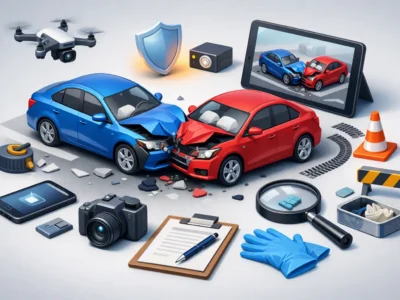
Then protect the evidence. Keep photos of the scene, vehicle damage, visible injuries, road conditions, and anything else that helps tell the story of the crash. Save the police report number, names of witnesses, towing paperwork, repair estimates, and every medical record you receive. If the other driver admitted fault at the scene, write down exactly what was said while it is still fresh.
Be careful with recorded statements. You may need to report the crash to your own carrier, but that does not mean you should casually give detailed statements to the other side before you understand your injuries. Early statements often get used later to minimize pain, question treatment, or suggest you were partly to blame.
How fault affects your New Mexico claim
New Mexico follows a pure comparative fault rule. That means you can still recover damages even if you were partly at fault, but your compensation can be reduced by your percentage of responsibility. If you are found 20 percent at fault, your recovery is reduced by 20 percent.
That rule sounds straightforward. In practice, it creates a battleground. Insurers often try to shift blame by arguing you were speeding, distracted, following too closely, or failed to react in time. In intersection crashes, lane-change collisions, and rear-end cases with disputed facts, even a small change in the story can have a major impact on value.
This is where evidence matters more than opinions. Vehicle damage patterns, scene photos, surveillance footage, electronic data, and witness statements can make the difference between a discounted offer and a claim backed by proof. If the crash caused major injuries, it is worth treating liability like litigation from day one.
What compensation may be available
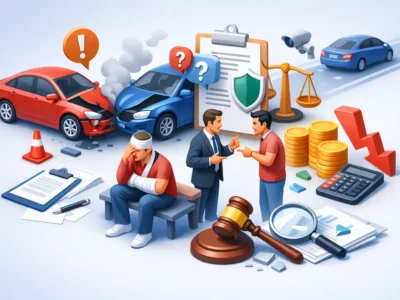
A car accident claim is not limited to the first emergency room bill. The law may allow recovery for both economic and non-economic losses, and the real value of the case depends on the full impact of the crash, not just the first invoice.
Economic damages can include medical bills, future treatment, rehabilitation, prescription costs, lost wages, reduced earning capacity, and property loss. If your injuries affect the kind of work you can do going forward, that future loss may be as important as the bills already on your kitchen table.
Non-economic damages usually involve pain, suffering, loss of enjoyment of life, and the daily disruption the injury causes. These losses are real, but insurers often downplay them because they do not come with a simple receipt. The stronger the medical documentation and the clearer the story of how your life changed, the harder they are to ignore.
Every case turns on facts. A concussion with ongoing symptoms, a spinal injury, surgery, permanent impairment, or visible scarring will be evaluated differently than a short course of conservative treatment. There is no honest one-size-fits-all formula.
The deadline can quietly damage a strong case
New Mexico claims are controlled by filing deadlines, and missing them can destroy an otherwise valid case. In many injury matters, the statute of limitations is three years, but there can be exceptions depending on the facts, the parties involved, and whether a government entity is part of the case.
That is one reason delay is dangerous even when the deadline seems far away. Witnesses disappear. Vehicles get repaired or salvaged. Camera footage is deleted. Medical gaps develop. The legal deadline is not the only clock running against you.
If your crash involved a city vehicle, road design issue, commercial driver, or a disputed uninsured motorist claim, the timeline and strategy can get more complicated fast. Early legal review is not overkill in those cases. It is case protection.
Insurance coverage issues that change the case
Many injured drivers assume the at-fault drivers policy will fully cover the loss. Sometimes it does not. The other driver may carry minimum limits, deny responsibility, or have no insurance at all. In those situations, your own uninsured or underinsured motorist coverage may become critical.
That kind of claim can feel backward. You paid your own carrier, but it may still fight over value, causation, or treatment. The tone may be more polished, but the dispute is often the same – how little can they pay.
There are also practical coverage issues involving medical payments coverage, multiple vehicles, commercial policies, and whether someone was working at the time of the crash. Those details can expand or limit recovery. They also require careful review before any release is signed.
Mistakes that weaken an accident claim
Some errors show up again and again. People miss follow-up treatment because they are trying to tough it out, then the insurer says they must have recovered. They post on social media, and a normal-looking photo gets twisted into evidence that they are fine. They accept a quick settlement before they know whether they will need more treatment.
Another common problem is assuming the police report decides everything. It helps, but it is not the final word. Officers often arrive after the impact, speak to limited witnesses, and make initial judgments based on incomplete information. A report can support your case, but it does not replace a full investigation.
The biggest mistake is waiting until the claim is already damaged. Once key evidence is gone or harmful statements are locked in, fixing the problem is harder and more expensive than preventing it.
When to call a lawyer for an Albuquerque car accident claim
Not every crash requires immediate litigation, but some cases should be treated seriously from the start. If you suffered significant injury, lost substantial income, face surgery, have lasting symptoms, or the insurer is disputing fault, get legal advice early. The same is true if the crash involved a commercial truck, company vehicle, government issue, or death.
A lawyer should do more than pass messages between you and the adjuster. Serious representation means investigating liability, organizing medical proof, calculating future damages, preparing the case as if it may go to trial, and pushing back when the insurer tries to reframe the facts.
That last point matters. Insurance companies track who settles cheap and who is prepared to prove the case in court. Trial experience changes negotiation leverage. It signals that low offers will be challenged, not simply tolerated. That is part of why injured people in high-stakes cases often seek out firms like Bowles Law Firm, where litigation strategy is not an afterthought.
What to expect during the claim process
Most claims begin with investigation and treatment. While you focus on getting better, the legal and insurance side should focus on gathering records, documenting losses, and developing the evidence needed to prove fault and damages. If you are still treating, a final settlement number may not be clear yet. That can be frustrating, but settling too early often favors the insurer.
Once your condition is better understood, the claim may move into formal demand and negotiation. Some cases resolve there. Others do not, especially when injuries are serious or liability is contested. If a fair result is not offered, filing suit may be the necessary next step.
A lawsuit is not a failure of the process. Sometimes it is the process. It allows subpoena power, depositions, expert review, and the pressure that comes from real trial preparation. Strong cases are not always the ones with the loudest demands. They are the ones built carefully enough to withstand scrutiny.
If you were injured in a crash, do not let the insurance company define the value of your case before the facts are fully developed. Get treatment, preserve evidence, and get answers from a lawyer who is prepared to fight if the claim turns into a dispute. Call now or request a free case review while the evidence is still there and your options are still open.