
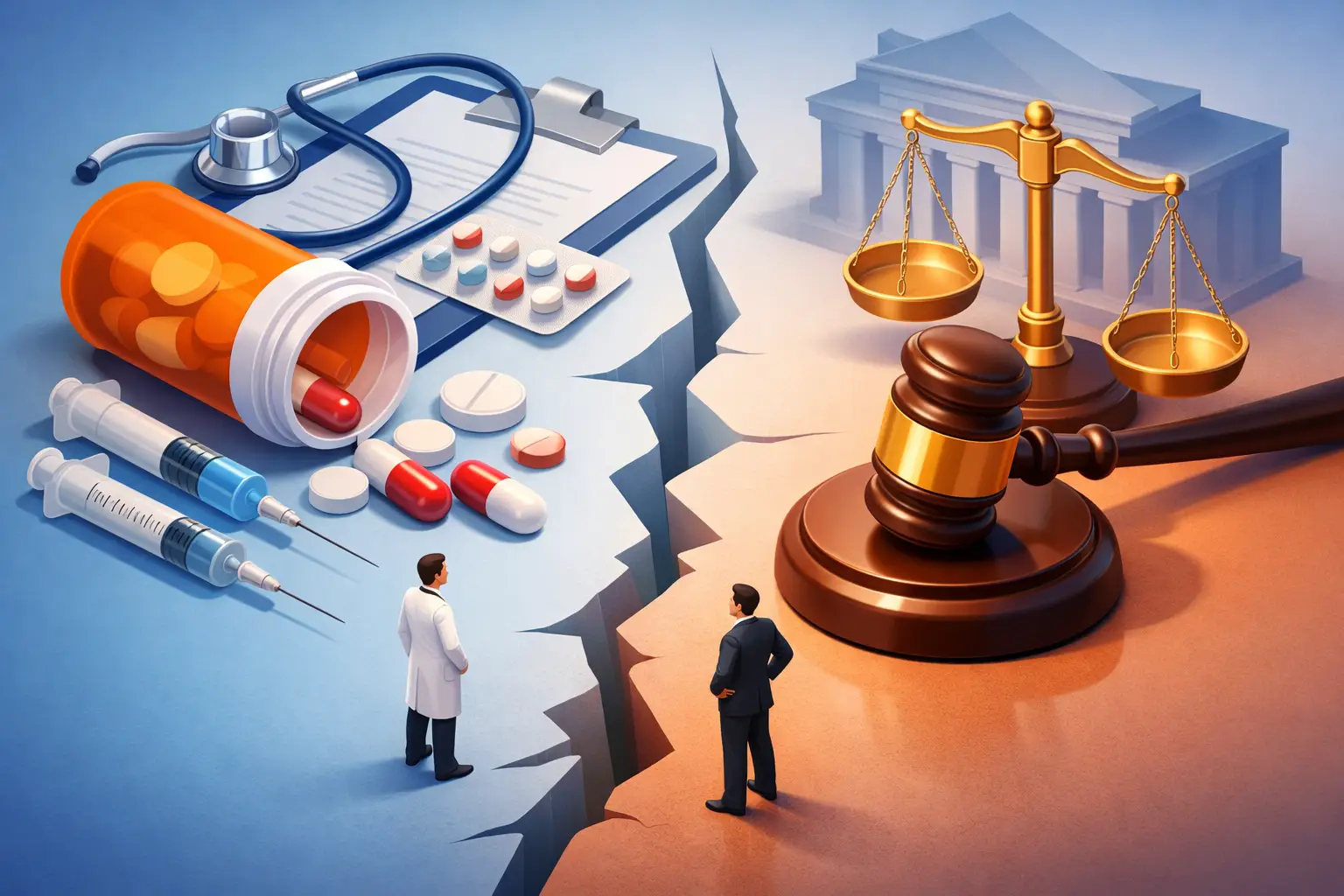
When a Medication Error Becomes a Case
A medication mistake can wreck a life in a matter of hours. The wrong drug, the wrong dose, a missed allergy, or a dangerous interaction can turn a routine hospital stay or prescription refill into a medical crisis. When that happens, people usually ask the same question first: was this a bad outcome, or was it malpractice?
That question matters because not every medical mistake creates a legal claim. But when a doctor, nurse, pharmacist, or hospital fails to follow the accepted standard of care and a patient is seriously harmed, a medication error malpractice claim may be justified. If you are dealing with that kind of harm, the details matter early, and so does the lawyer you choose.
What counts as a medication error malpractice claim?
A medication error malpractice claim is a civil case based on preventable harm caused by a medical professional or facility during prescribing, dispensing, administering, or monitoring medication. The core issue is not whether a patient had a side effect. The issue is whether a provider acted unreasonably under the circumstances.
That can happen in several ways. A physician may prescribe a drug that conflicts with a patient’s documented allergy. A nurse may administer ten times the intended dose because of a charting or decimal mistake. A pharmacist may fill the wrong medication despite a clear prescription. A hospital may fail to monitor a patient after giving a drug known to create dangerous risks.
The line between a complication and malpractice is often contested. Medicine involves judgment calls, and defendants usually argue the injury was unavoidable or caused by the patient’s underlying condition. That is why these cases turn on records, timelines, and expert review rather than assumptions.
The legal elements that make or break the case
To succeed in a medication error malpractice claim, the injured patient must usually prove four basic points. First, a provider-patient relationship existed. Second, the provider breached the standard of care. Third, that breach caused injury. Fourth, the patient suffered actual damages.
The hardest fights are usually over breach and causation. If a provider made a mistake but the patient was not harmed by it, there may be no viable malpractice case. On the other hand, if a patient suffered a severe outcome but the defense can show the same thing would have happened even with proper care, causation becomes the battleground.
That is where serious trial preparation matters. Medical records do not explain themselves. Electronic chart entries can be incomplete, altered, or misleading without context. Medication administration logs, pharmacy records, lab values, discharge instructions, and follow-up notes all need to be examined as part of one sequence, not as isolated pages.
Common examples of medication malpractice
Some patterns show up again and again in these cases. Prescribing the wrong drug is one. So is failing to check known allergies, weight-based dosing rules, kidney function, or contraindications with other medications. In hospitals, administration errors are common, especially during shift changes, emergency care, and high-volume periods.
Another recurring problem is communication failure. A doctor may enter an order unclearly. A pharmacist may notice a red flag but fail to escalate it. A nurse may not question an obviously dangerous dose. In some cases, the breakdown is systemic rather than individual, which can bring the hospital or clinic directly into the case.
What evidence matters most
If you suspect malpractice, the paper trail matters more than memory alone. Patients should preserve discharge paperwork, pill bottles, prescription labels, pharmacy printouts, appointment summaries, and any written communications with providers. If a family member witnessed confusion, sudden decline, or a provider admitting a mistake, that information can also matter.
Still, the most important evidence is usually inside the medical file. That includes medication orders, allergy lists, nursing notes, pharmacy verification records, incident reports when available, and records from later treatment that document the injury. In fatal cases, autopsy findings may become important as well.
Timing matters here. Internal reviews can begin quickly after a serious event. Records may not disappear, but witnesses forget details and institutions move fast to frame the narrative. A prompt legal review can help identify what happened before the defense story hardens.
Damages in a medication error malpractice claim
A strong claim is not just about proving a mistake. It is also about proving the full extent of the harm. Damages may include added medical bills, corrective treatment, lost wages, reduced earning capacity, pain, disability, and long-term care needs. In the most serious cases, a medication error can lead to brain injury, organ failure, amputation, or death.
For families, the impact is often wider than the chart shows. A person who survives a medication overdose or interaction may no longer be able to work, drive, or live independently. A parent may require constant supervision. A spouse may become a full-time caregiver. Those losses are real, and they need to be documented with precision.
It also depends on the severity and permanence of the injury. A short-term reaction that resolves quickly may not justify the expense and complexity of litigation. A catastrophic injury usually does. An experienced trial lawyer should tell you that directly, not sell you a case that cannot carry its own weight.
Why these cases are hard to win without trial-ready counsel
Hospitals, insurers, and corporate defendants do not approach these claims casually. They know medication error cases can sound simple to a jury, so they work hard to complicate them. They may argue the order was reasonable, the pharmacist followed protocol, the nurse relied on physician judgment, or the patient failed to disclose key information.
They also rely heavily on experts. So should the plaintiff. In a serious case, your lawyer may need physicians, pharmacists, nurses, life care planners, and economic experts to prove both liability and damages. That takes resources, discipline, and a willingness to prepare the case for court from day one.
That trial posture changes outcomes. Defendants pay attention when they know the lawyer on the other side has actual courtroom experience and is prepared to present the evidence cleanly to a jury. A firm that treats every major malpractice case like it may go to trial is in a stronger position than one built around quick settlements.
What to do if you think a medication error harmed you
Start by getting the care you need. Your health comes first. If you are still in treatment, make sure another qualified provider evaluates the harm and addresses any ongoing danger.
Then gather what you have. Keep the medication packaging, written instructions, pharmacy receipts, and a timeline of what happened. Write down names, dates, symptoms, and conversations while they are still fresh. Do not guess if you are unsure. Accuracy matters.
Most important, speak with a malpractice lawyer before talking at length with hospital risk management or an insurance representative. Those conversations may sound informal, but they are not neutral. A case can be strengthened or weakened by what is said early.
If you are in Albuquerque or anywhere in New Mexico and believe a medication mistake caused serious injury or death, you can request a free case review through Bowles Law Firm at https://bowleslawfirm.com. Serious cases deserve direct attorney attention, careful investigation, and a strategy built for litigation, not shortcuts.
How to know whether it is worth pursuing
People often hesitate because they do not want to overreact. That instinct is understandable. Medicine is complicated, and not every bad result means someone should be sued. But hesitation can also cost you critical time.
A good lawyer will not tell you every medication injury is a winning case. The right answer is often, it depends – on the records, the expert review, the seriousness of the harm, and whether the error actually changed the outcome. What you need is a straight answer based on evidence.
The right case is not just one where something went wrong. It is one where the facts can be proven, the harm is substantial, and the legal team is prepared to press the issue if the other side refuses accountability. When that happens, a claim is about more than compensation. It is about forcing the truth into the open and protecting your future when the system failed you.
If a medication error turned your life upside down, trust your instincts and get the case reviewed promptly. Waiting rarely helps, and clarity is powerful when the stakes are this high.