Need an Albuquerque Courtroom Defense Attorney?
A criminal charge can change the tone of your life before you ever step into a courtroom. Police reports, bond conditions, court notices, possible job consequences, and pressure from investigators can arrive fast. An Albuquerque courtroom defense attorney should do more than explain the charge. The attorney should take control of the legal response, protect your rights, and prepare the case as though it may need to be tried.
That level of preparation matters. Many cases are resolved before trial, but favorable resolutions often come from a defense that is ready, willing, and able to challenge the prosecution’s evidence in court. When your freedom, professional reputation, driver’s license, finances, or future is on the line, you need straight answers and a strategy built for the pressure ahead.
What a Courtroom-Ready Defense Actually Means
Courtroom defense is not simply showing up for hearings. It begins with a disciplined review of how the case was built and whether the government can prove every required element beyond a reasonable doubt.
A strong defense lawyer examines the accusation from the ground up. Was the stop lawful? Did law enforcement have a valid basis to search, detain, or question you? Were statements obtained voluntarily and legally? Is the physical evidence reliable? Are witness accounts consistent, or do they conflict with reports, video, text messages, records, or the timeline?
Those questions can affect the direction of a case. A constitutional violation may support a motion to suppress evidence. An unreliable witness may create reasonable doubt. Missing records or flawed forensic analysis may weaken an allegation that initially appeared serious.
Trial readiness also changes the conversation with the prosecution. A lawyer who understands courtroom procedure, cross-examination, jury dynamics, and evidentiary objections can evaluate an offer from a position of knowledge rather than fear. That does not mean every case should go to trial. It means you should not accept a major decision without understanding the evidence, the risks, and the available alternatives.
The First Days After an Arrest or Investigation Matter
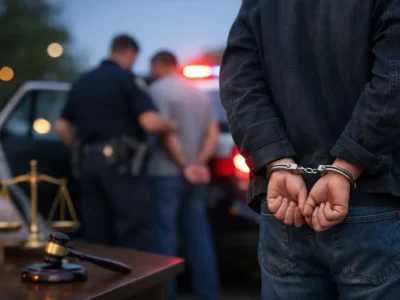
People often make their hardest mistakes before they hire counsel. They try to explain themselves to investigators, assume cooperation will make the matter disappear, discuss facts over text, or post about the situation online. Those choices can create evidence that is difficult to take back.
If you are arrested, contacted by law enforcement, served with a subpoena, or told that you are under investigation, exercise your right to remain silent and ask for a lawyer. Do not consent to searches or interviews simply because an officer or investigator suggests it will help. Being respectful is wise. Providing an unprotected statement is often not.
You should also preserve anything that may support your defense. Save relevant messages, call logs, emails, photographs, receipts, location data, business records, and names of potential witnesses. Do not alter, delete, or destroy anything. A defense attorney needs the full picture, including facts that are uncomfortable or potentially damaging, to build the right strategy.
Early legal help can also address immediate concerns: bond conditions, no-contact orders, travel restrictions, court dates, license issues, and communication with investigators. Missing a deadline or violating a release condition can create a separate problem and make an already difficult case worse.
An Albuquerque Courtroom Defense Attorney Should Test the Evidence
The prosecution has the burden of proof. Your defense should hold the government to it at every stage.
In a DUI case, that may mean examining the traffic stop, body-camera footage, field sobriety tests, breath-testing procedures, blood-draw protocols, and the timing of every event. In an assault or domestic violence allegation, the defense may focus on inconsistent statements, self-defense, the absence of corroborating evidence, or the context omitted from the initial report.
White collar allegations require a different but equally rigorous approach. Financial records, tax documents, emails, internal business communications, and accounting practices can be complex. Complexity is not proof of criminal intent. The defense may need to separate poor recordkeeping, disputed business judgment, or a misunderstanding from conduct the government can actually prove was knowing and intentional.
Federal investigations raise additional stakes. Agencies may spend months gathering documents, interviewing witnesses, or using grand jury procedures before charges are filed. Early intervention can help protect your position, organize a response, and prevent an investigation from moving forward without meaningful scrutiny.
No two cases are alike. The right defense depends on the charge, the available evidence, your history, the court involved, and your goals. A serious lawyer will not promise a result before reviewing the facts. Instead, the lawyer should explain what is known, what must be investigated, and what decisions may lie ahead.
Plea Offers Require Clear-Eyed Judgment
A plea offer can sound like relief when you are exhausted, worried, or facing uncertainty. Sometimes an agreement is the right choice. It may reduce exposure, avoid a contested trial, or create a path toward a more manageable outcome. But a plea also carries consequences that deserve careful analysis.
Before accepting an offer, you should understand the exact charge, sentencing range, probation terms, fines, collateral consequences, and whether the agreement affects your ability to hold a professional license, possess firearms, drive, or pursue certain employment. You should also know whether the evidence has been fully tested and whether viable motions or defenses remain.
There is no universal answer to whether a person should fight or resolve a case. What matters is making that decision after a serious assessment, not because you were rushed, intimidated, or left in the dark. Direct communication from your attorney is critical here. You deserve to know the risks, but you also deserve to know the weaknesses in the government’s case.
Questions to Ask Before Hiring Defense Counsel
The lawyer you choose may shape every major decision in the case. Experience matters, especially when the possibility of trial is real. Ask whether the attorney has tried cases in the court where yours is pending, handled appeals, and personally managed serious criminal matters from investigation through verdict.
You should also ask who will be doing the work. Will the attorney you meet be the lawyer developing strategy and appearing in court? How often will you receive updates? What should you do if law enforcement contacts you again? What fees, costs, and payment expectations apply?
Look for a lawyer who answers directly. You need honest counsel, not sales language or unrealistic assurances. The strongest advocate is one who can tell you when the case is difficult, identify where the leverage exists, and act decisively to protect you.
Bowles Law Firm brings trial-focused experience to high-stakes criminal defense, with lead counsel experience in more than 88 trials across federal, state, and military courts and more than 40 appeals. That background matters when the case demands more than paperwork and a quick appearance. It means your defense can be developed with the courtroom in mind from the beginning.
Do Not Let the Case Move Forward Without a Defense
The government starts building its case early. You should start protecting yourself early, too. A charge does not equal a conviction, and an accusation does not eliminate your right to challenge the evidence, confront witnesses, and require proof.
Call now to discuss the facts with a courtroom-focused defense lawyer. Bring your paperwork, be candid about what happened, and get a clear assessment of the road ahead. The most useful first step is not panic or speculation. It is putting an experienced advocate between you and the pressure of the criminal justice system.