Grand Jury Questions: What Witnesses Should Expect
A grand jury subpoena can turn an ordinary day into a high-pressure legal problem. Grand jury questions may appear straightforward, but a truthful answer can expose you, someone close to you, or your business to criminal scrutiny. The safest move is not to guess, explain, or try to talk your way through the situation. Get experienced criminal defense counsel involved before you contact investigators or appear to testify.
What Are Grand Jury Questions?
A grand jury is a group of citizens that hears evidence presented by a prosecutor and decides whether there is probable cause to bring criminal charges. It is not a trial. No jury decides guilt or innocence, and the prosecutor does not have to prove the case beyond a reasonable doubt at this stage.
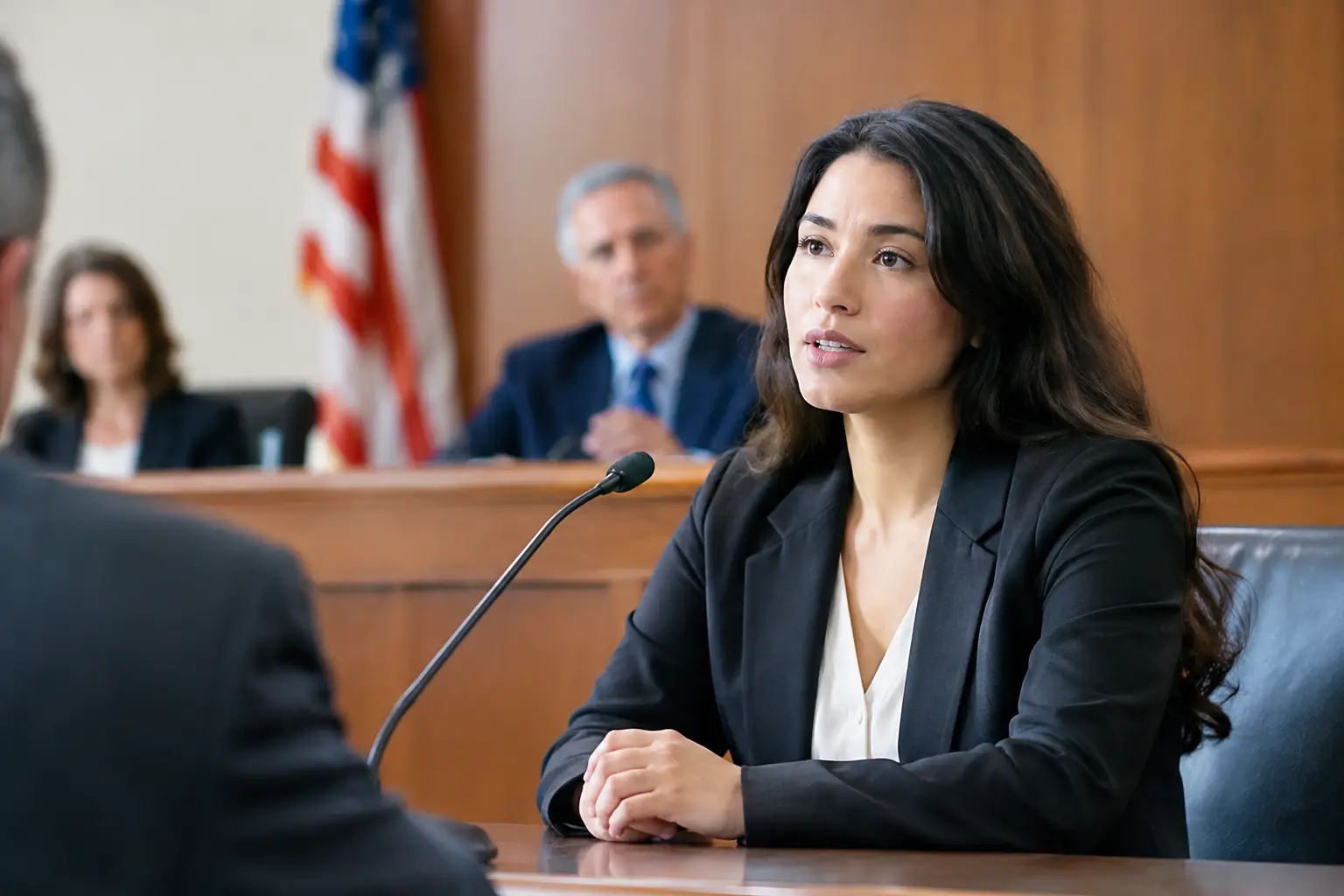
Grand jury proceedings are generally secret. Prosecutors may call witnesses, present documents, and ask questions without the full courtroom process that applies at trial. In many proceedings, the witness’s attorney cannot sit inside the grand jury room. The witness may usually ask to step outside to consult counsel, but the precise procedure depends on whether the matter is in state or federal court.
That structure puts a witness at a disadvantage. You may not know what evidence prosecutors have, whether you are a witness or a potential target, or how one answer fits into a larger investigation. A question that sounds routine may be designed to establish knowledge, intent, a timeline, or a contradiction.
Common Grand Jury Questions Prosecutors May Ask
The questions depend on the investigation, but prosecutors often begin by establishing basic facts: your identity, work history, relationship to other people involved, and access to records or property. From there, the questions can become much more specific.
In a financial, tax, or white-collar investigation, questions may focus on who controlled an account, who approved a transaction, what you understood about an invoice, or why a document was created. In an alleged drug, firearms, or violent-crime investigation, prosecutors may ask where you were on a particular date, who was present, what you saw, and whether you spoke to law enforcement before.
They may also show you messages, emails, photographs, bank records, or other exhibits and ask whether you recognize them. Do not assume a document means what the prosecutor suggests it means. Do not fill gaps with speculation. If you do not know or do not remember, say so truthfully. If a question is unclear, ask that it be repeated or clarified.
The danger is not limited to deliberate falsehoods. A witness who guesses, adopts the prosecutor’s wording without thinking, or gives an incomplete answer can create damaging testimony. Federal and state law can impose serious penalties for perjury or false statements. Being nervous is understandable, but it does not excuse an inaccurate answer.
A Subpoena Does Not Mean You Should Go Alone
Receiving a subpoena does not automatically mean you will be charged. It does mean the government expects your testimony or documents, and ignoring it can create separate legal trouble. A subpoena deserves immediate attention.
Before appearing, a lawyer can review the subpoena, identify what court issued it, assess deadlines, and determine whether the request can be narrowed or challenged. Counsel can also communicate with the prosecutor to learn, when appropriate, whether you are being treated as a witness, subject, or target. Prosecutors are not always required to provide that information, but asking the right questions early matters.
Do not destroy, alter, hide, or casually discard anything that may be responsive to a subpoena. Preservation issues can become more serious than the original investigation. At the same time, do not hand over extra material or volunteer documents beyond what is legally required without counsel reviewing the request.
Your Rights When Answering Grand Jury Questions
You have rights, but using them correctly requires judgment. The Fifth Amendment privilege against self-incrimination may allow you to decline to answer questions that could tend to incriminate you. That does not mean a witness can simply refuse every question, and it does not mean the government cannot seek a court order or offer immunity in some circumstances.
Immunity requires careful analysis. A prosecutor’s informal assurance that they are “not looking at you” is not the same as a legally sufficient immunity agreement. Nor does immunity necessarily protect against every consequence. Its scope, the governing jurisdiction, and the facts of the investigation all matter.
You may also have legitimate privileges involving communications with an attorney, and other protections may apply to particular records or testimony. Do not try to make those calls in the moment based on internet research or a prosecutor’s characterization of the law. Asserted too broadly, a privilege claim may be challenged. Waived carelessly, it may be lost.
A disciplined defense lawyer prepares a client for the practical reality of testifying: listen to the whole question, answer only the question asked, avoid volunteering, do not guess, and pause before responding. Preparation is not about creating a story. It is about protecting your rights while ensuring that your testimony is accurate.
Can You Refuse to Answer a Grand Jury Question?
Sometimes, but not casually. If answering could expose you to criminal liability, your attorney may advise you to invoke the Fifth Amendment. The government may then decide whether to pursue immunity or seek a ruling from the court. The right approach depends on the specific question and the risks created by your existing statements, records, and relationships.
A witness should never lie to avoid an uncomfortable answer. Silence, when legally justified, is very different from a false statement.
Can Your Lawyer Be With You?
In many grand jury proceedings, your attorney cannot be in the room while you testify. That does not make counsel less important. Your lawyer can prepare you before the appearance, be present nearby, and advise you during permitted breaks. In a matter with real exposure, that ability to stop, consult, and make a deliberate decision can be critical.
New Mexico Grand Jury Proceedings and Federal Cases
In Albuquerque and across New Mexico, a grand jury matter may proceed in state court or federal court. The rules, procedures, and potential consequences are not identical. A federal investigation may involve agencies such as the FBI, IRS, or Homeland Security, while a state investigation may involve local law enforcement and state prosecutors.
The label on the subpoena matters. So do the requested documents, the court named in the notice, and the date of appearance. Bring every page to your lawyer. Do not rely on a phone call from an agent or prosecutor to explain what is required.
For people facing allegations involving tax issues, government contracting, financial records, controlled substances, firearms, or conspiracy, early legal strategy is especially important. These cases are often built over months through records, communications, and witness testimony. Waiting until charges are filed may mean losing opportunities to protect the record, preserve favorable evidence, or prevent an avoidable misstep.
What to Do Before You Testify
First, preserve the subpoena and any related communication. Write down who contacted you, when they contacted you, and what was said. Avoid discussing the investigation with coworkers, friends, potential witnesses, or anyone who may later be questioned. Casual conversations can be misunderstood, repeated inaccurately, or viewed as an attempt to coordinate testimony.
Second, retain counsel with real courtroom experience. Grand jury work is not paperwork. It requires understanding how prosecutors build cases, how testimony can be used later, and when to push back. Bowles Law Firm brings trial and appellate experience to high-stakes criminal matters where preparation and direct legal judgment matter.
Finally, be candid with your lawyer. The facts you find embarrassing or inconvenient are often the facts counsel must understand most clearly. Attorney-client confidentiality exists so your lawyer can assess risk, prepare a lawful response, and protect you without surprises.
A grand jury appearance is not the time to improvise. If you have received a subpoena, target letter, or request for an interview, act before the government sets the terms of the encounter. Call now to discuss your situation with a courtroom-tested defense attorney and make your next decision from a position of preparation, not panic.