A Guide to Preserving Digital Evidence After Harm
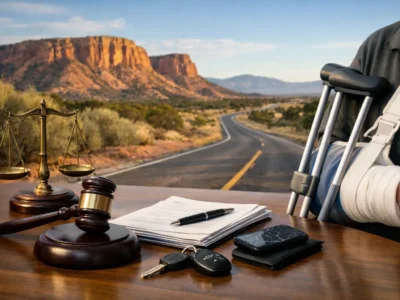
A guide to preserving digital evidence can make the difference between a case supported by proof and a case built on memory alone. After a crash, serious injury, business dispute, or criminal accusation, the evidence may already be disappearing: surveillance video records over itself, phones update, posts are deleted, and witnesses forget details. Move quickly, but do not alter, embellish, or unlawfully obtain anything.
Digital evidence is not limited to dramatic video footage. A timestamped text, a vehicle data record, a photograph with location information, or an email showing who knew what and when can change the direction of a civil claim or defense. The goal is straightforward: preserve the original information, document where it came from, and give your lawyer a clear record to evaluate.
What Counts as Digital Evidence?
Digital evidence is any electronically stored information that may help establish what happened, who was involved, what someone knew, or the extent of a loss. Its value depends on relevance, reliability, and the ability to show that it has not been changed.
In an injury or wrongful death case, useful material may include dashcam footage, photos of the scene, vehicle black-box data, GPS records, medical portal messages, and communications with insurers or property owners. In a medical negligence matter, patient portal records, scheduling notices, prescription messages, and communications about symptoms may help establish a timeline.
For someone under criminal investigation or facing charges, digital evidence can include texts, call logs, social media activity, location data, banking records, emails, and video from homes or businesses. That evidence may support the prosecution, the defense, or both. Do not assume a damaging-looking message tells the whole story. Context, complete conversation threads, timing, and metadata often matter.
Act Before the Evidence Is Gone
The first priority is preservation, not public argument. Many systems retain information for only a short period. A convenience store camera may overwrite video within days. A rideshare app, online platform, or business security system may have its own retention rules. Your phone can lose data after damage, replacement, reset, or automatic deletion settings take effect.
Start by writing down a timeline while the events are fresh. Include dates, approximate times, locations, people present, businesses or agencies involved, and every possible source of electronic information. This is not a replacement for the underlying evidence. It is a practical map that helps your legal team identify what needs to be secured.
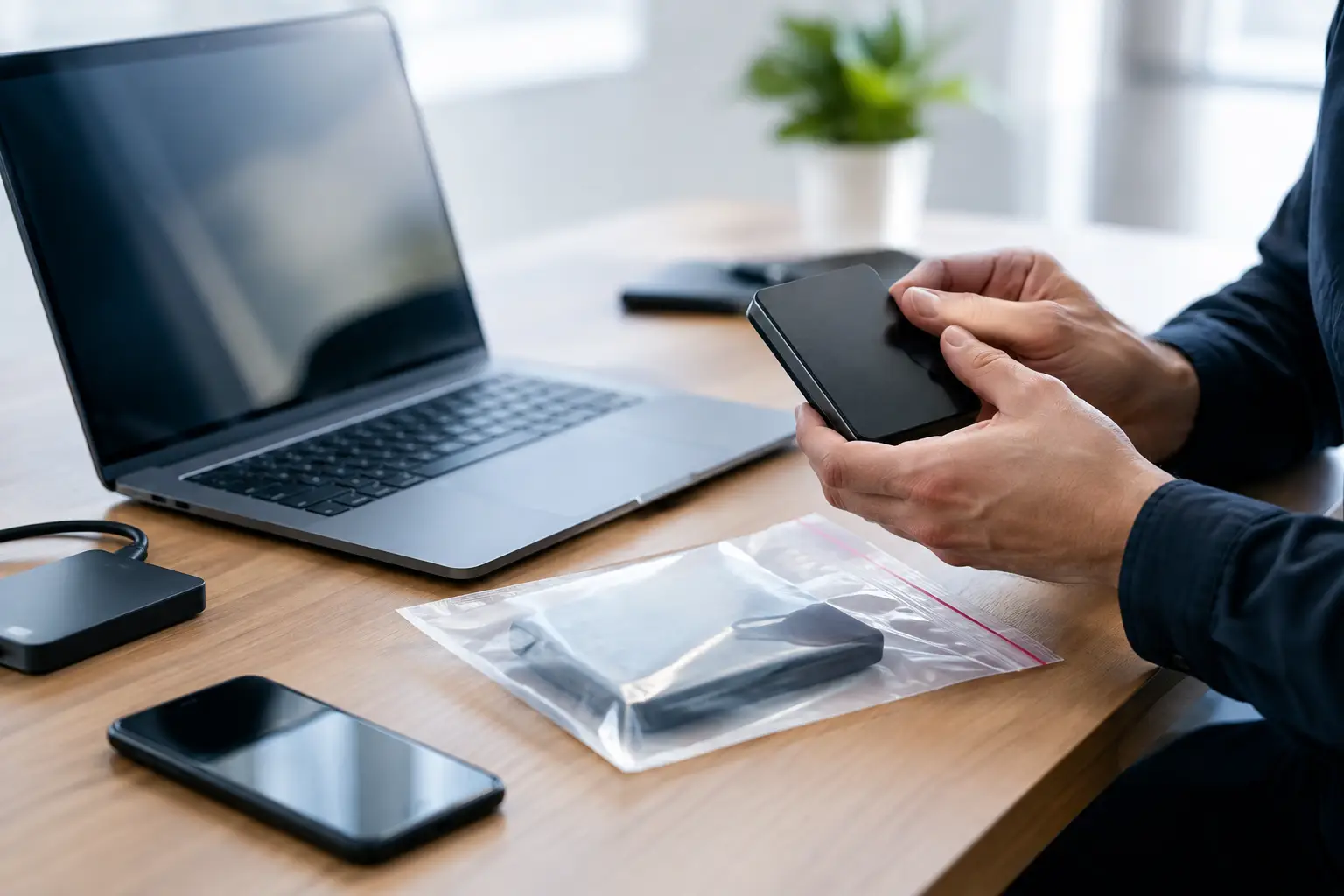
If you have photos, videos, messages, or files, preserve them in their original form. Save a copy to a secure location, but keep the original device and file whenever possible. Do not crop a photo, add labels over the image, edit video, use filters, or forward only selected portions of a conversation. A polished screenshot may be easier to view, but the original file is usually more useful in litigation.
Preserve the Full Context
A single screenshot rarely tells the complete story. Capture or save the full message thread, including dates, sender information, and surrounding exchanges. If a post, comment, or video is relevant, record the account name, date, platform, and visible URL if available. Take screenshots, but also use the platform’s download or export function when it is available.
For voicemails, save the audio file rather than relying only on a written transcription. For emails, preserve the message with its header information and attachments. For photographs and videos, avoid sending the only copy through apps that compress files or strip metadata.
Make a simple evidence log. For each item, note what it is, when you obtained it, where it is stored, and why it may matter. This small step can help establish a clean chain of custody later.
How to Preserve Evidence From a Phone
Phones are often the most important evidence source because they contain communications, photos, calendars, location information, health app data, and account access. They are also fragile evidence sources. A cracked screen, lost password, replacement device, factory reset, or automatic cloud setting can create problems quickly.
Do not delete messages, call logs, photos, browsing history, or social media content because it is embarrassing or inconvenient. In a civil case, deleting relevant material after a claim is anticipated can lead to serious court sanctions. In a criminal matter, it can create additional legal exposure and make a defense more difficult.
Back up the phone without altering its contents. Keep the device charged, secure it from unauthorized access, and document its condition. If the phone was damaged in a collision or incident, do not assume the data is gone. A qualified forensic professional may be able to recover material, but that work should be directed carefully by counsel.
Do not attempt to access another person’s phone, cloud account, email, or private messages without permission or legal authority. Evidence obtained improperly can create a new problem. The same caution applies to secretly installing tracking software or recording conversations without understanding the applicable law.
Request Third-Party Records Quickly
Some of the strongest evidence is held by someone else. That may include a business with surveillance footage, a property owner, a vehicle manufacturer, a cellular carrier, a hospital, an insurer, or an online platform. You may not be able to obtain every record yourself, but you can identify it before it disappears.
A lawyer can send a preservation letter that puts the holder on notice not to destroy relevant evidence. Depending on the case, formal discovery, subpoenas, court orders, or other legal procedures may be necessary to obtain the material. Speed matters because a preservation request cannot recover footage that was overwritten last week.
After a vehicle collision, identify nearby businesses, residences, intersections, and public facilities that may have cameras. Note their addresses and the direction each camera appeared to face. If a commercial truck, company vehicle, or rideshare vehicle was involved, records related to vehicle operation, dispatch, inspections, or onboard systems may be relevant.
In a medical case, do not rely only on a summary handed to you after treatment. Preserve bills, discharge paperwork, portal messages, medication instructions, appointment records, and communications with providers. Your attorney can determine which complete records and electronic audit trails should be requested.
Avoid the Mistakes That Undermine a Case
People understandably want to explain their side after a traumatic event. That impulse can damage a claim or defense when it plays out online. Do not post about the incident, argue in comments, speculate about fault, or share private evidence with friends. Privacy settings are not a guarantee that a post will stay private, and deleting a post later may raise its own questions.
Be careful with insurance adjusters and investigators. Provide truthful information, but do not casually send your complete phone contents, login credentials, or a statement about an incident without understanding what is being requested and why. In high-stakes matters, the scope of a request can be as important as the request itself.
Do not create evidence after the fact. Rewriting a timeline from memory, changing the date on a note, staging photographs, or asking a witness to tailor an account can destroy credibility. Strong cases are built on accurate facts, preserved honestly and presented clearly.
When to Call a Trial Lawyer
Early legal guidance is especially valuable when evidence is likely to vanish, the injuries are serious, a death occurred, fault is disputed, or law enforcement is involved. A trial-ready lawyer looks beyond the first report and begins identifying the records, witnesses, data sources, and preservation deadlines that may decide the case.
Bowles Law Firm represents New Mexico clients in high-consequence civil and criminal matters where careful preparation is not optional. With more than 88 trials and over 40 appeals, the firm understands that evidence must be secured early and tested hard before a case reaches a courtroom.
If you believe critical digital evidence exists, do not wait for a demand letter, a charging decision, or a lawsuit to force the issue. Save what you lawfully can, keep the originals intact, write down what may be lost, and request a free case review before the record disappears.