How to Preserve Crash Evidence After a New Mexico Wreck
A serious crash creates two urgent problems at once: getting medical care and protecting the proof that explains what happened. If you need to preserve crash evidence, the first hours and days matter. A damaged vehicle can be repaired or sold, roadway marks can fade, witnesses can become difficult to locate, and electronic data can be overwritten.
Insurance companies begin evaluating claims early. Their adjusters know what evidence matters and how quickly it can disappear. You should have the same urgency. Preserving evidence does not mean arguing your case at the crash scene. It means taking lawful, practical steps to make sure the facts are still available when it is time to demand accountability.
Preserve Crash Evidence Before It Disappears
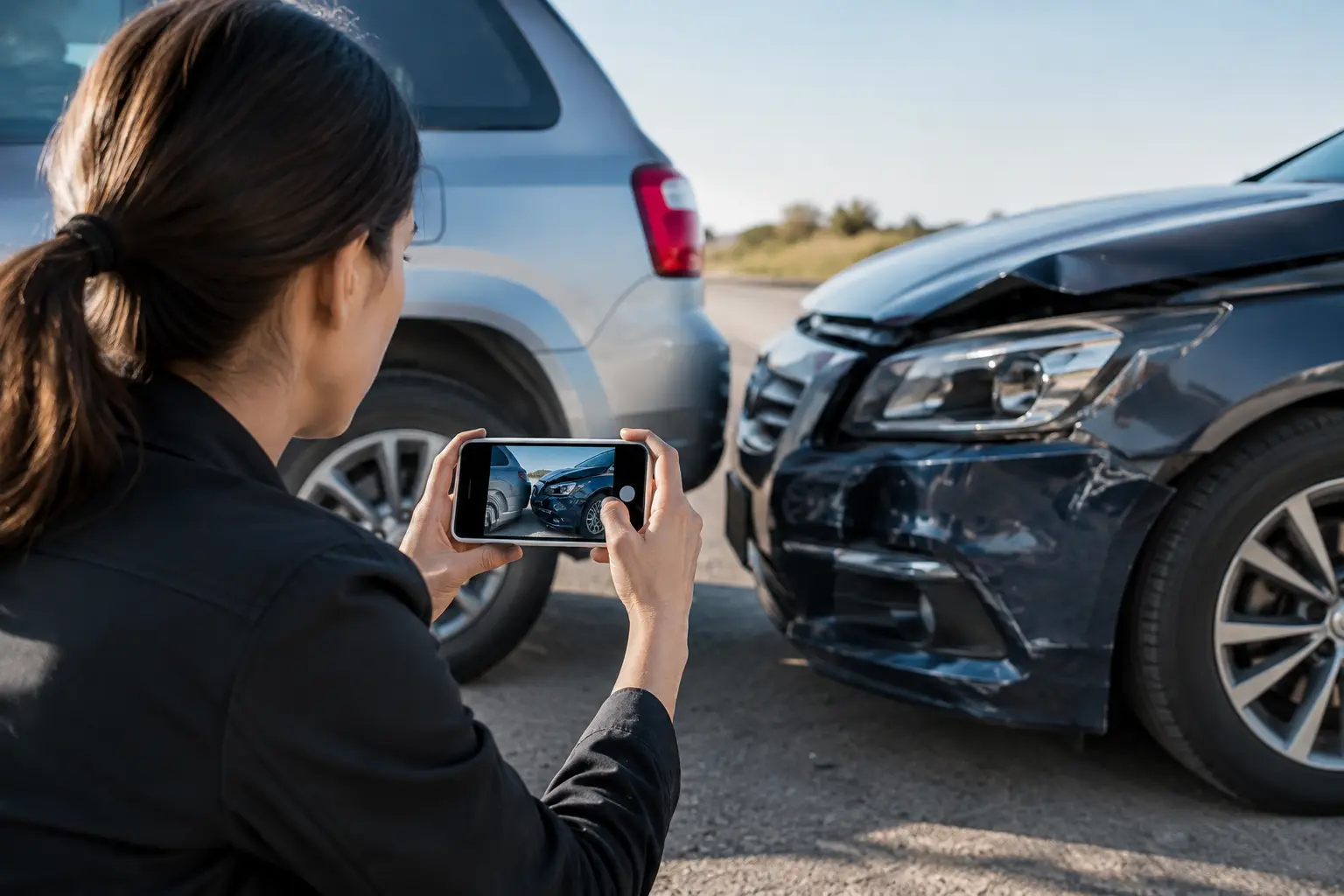
If you are physically able, start documenting the scene before vehicles are moved. Take wide photographs that show the overall intersection, road layout, traffic signals, weather, lighting, nearby construction, and the final positions of the vehicles. Then take closer photos of every vehicle, including impact points, broken glass, deployed airbags, tire condition, skid marks, debris, license plates, and any visible injuries.
Video can be especially valuable. Walk slowly around the scene while recording. Capture traffic patterns, signs, obscured views, and conditions a still photo may miss. Briefly state the date, time, location, and what you are observing, but do not speculate about fault or make accusations while recording.
If you cannot document the scene because you are injured, ask a trusted person to do it for you. Your health comes first. Emergency care and a police response may provide crucial documentation, but neither replaces your own evidence collection.
Get witness information, not just opinions
Independent witnesses often provide some of the most persuasive evidence in a disputed crash. A driver who claims the light was green may change the story later. A bystander with no connection to either party may be able to confirm who had the right of way, whether a vehicle was speeding, or whether a driver was using a phone.
Ask witnesses for their full name, phone number, email address, and a short description of what they saw. If they are willing, record a brief statement on your phone. Keep it simple: ask where they were standing or driving, what they saw immediately before impact, and whether they noticed a signal, lane change, speeding, or distracted driving.
Do not assume the police report will contain every witness’s information. Officers work under difficult conditions, and some witnesses leave before an officer can speak with them.
Obtain the police report, but do not stop there
A crash report can identify involved parties, insurance information, responding officers, citations, and initial witness accounts. It is a useful starting point. It is not always the final word on fault.
Reports can contain errors, incomplete diagrams, or conclusions made before all facts were known. When a collision caused serious injury, the evidence beyond the report may determine whether a claim succeeds. Photos, vehicle inspections, video footage, electronic data, medical records, and witness testimony can tell a fuller story.
Protect the Vehicle and Its Electronic Data
Your vehicle may be one of the most important pieces of evidence in the case. Do not authorize repairs, disposal, or salvage until the vehicle has been thoroughly photographed and, when appropriate, inspected. This is particularly important where there is a question about mechanical failure, airbag performance, seat belt use, vehicle speed, braking, or the angle of impact.
Many newer vehicles contain event data recorders, sometimes called black boxes. Depending on the make and model, these systems may store limited information about speed, braking, steering, throttle position, seat belt use, and airbag deployment in the seconds before and during a collision. The data can be critical, but it may be overwritten or lost if the vehicle is driven, repaired, or destroyed.
Tell the tow company, repair facility, and insurer in writing that the vehicle must be preserved. Keep copies of every communication. If the other driver had a commercial truck, delivery van, rideshare vehicle, or company-owned vehicle, preservation becomes even more time-sensitive. Those vehicles may hold electronic logging data, onboard video, maintenance records, dispatch communications, and driver records that are controlled by the company, not the injured person.
A lawyer can send a formal preservation notice demanding that relevant evidence not be destroyed. That step does not guarantee cooperation, but it puts the responsible parties on notice and creates a record if important proof later vanishes.
Find Video Before Recording Systems Overwrite It
Nearby cameras can establish fault with unusual clarity, but most recordings are kept for a short time. Businesses, apartment buildings, parking lots, gas stations, schools, and homes may have cameras facing the road or a driveway near the crash. Traffic-camera footage may also exist, depending on the location and agency involved.
Act quickly. Write down every possible camera location while the scene is fresh in your mind. A business owner may be willing to preserve footage, but many systems automatically record over prior video within days. Do not wait until an insurance claim stalls to ask whether video exists.
Your own digital records matter, too. Save dashcam files in more than one place. Preserve photographs and videos in their original form, not only as screenshots sent by text message. Original files may contain time, date, and location information that helps establish authenticity.
Document Injuries and the Cost of the Crash
Crash evidence is not limited to proving how the collision happened. You also need evidence of what it took from you. Follow through with recommended medical care, tell your providers about every symptom, and keep records of appointments, prescriptions, treatment plans, invoices, and work restrictions.
Pain, headaches, dizziness, sleep disruption, anxiety, and limited mobility can be real injuries even when they are not obvious at the scene. Waiting too long to seek care can give an insurer room to argue that the condition was unrelated or less serious than you claim. That does not mean every delay destroys a case. It means you should be honest, consistent, and prompt about your symptoms.
Keep a simple written record of how the injuries affect daily life. Note missed work, tasks you can no longer perform, help you need at home, canceled plans, and changes in pain levels. This is not a substitute for medical evidence. It is a practical way to preserve details that are often forgotten months later.
Save receipts and records for towing, rental transportation, medication, medical devices, mileage to appointments, and property damaged in the wreck. If you miss work, retain pay stubs, tax records, and written confirmation from your employer concerning missed time or reduced duties.
Avoid Mistakes That Give the Insurance Company an Opening
You have a duty to cooperate with your own insurer, but you do not have to guess, speculate, or accept an early settlement before you understand the full extent of your injuries. Be careful with recorded statements, broad medical authorizations, and requests to sign releases. A friendly adjuster is still evaluating the claim for the insurance company.
Do not post crash details, photos, check-ins, or comments about your physical activity on social media. Even an innocent post can be taken out of context. Do not repair or discard damaged personal property before photographing it, and do not give the other insurer unrestricted access to your phone or private records without understanding why it is being requested.
New Mexico follows a comparative-fault system. That means an insurer may try to assign part of the blame to you to reduce what it pays. Evidence that seems minor, such as the timing of a traffic signal, the location of debris, or a witness’s account of speed, can carry real weight.
When to Call a Trial Lawyer
Not every fender bender requires a legal fight. But you should seek legal guidance promptly when a crash caused significant injury, a death, disputed fault, an uninsured or underinsured driver issue, a commercial vehicle collision, or pressure to settle quickly. The same is true when you believe evidence is at risk of being destroyed.
At Bowles Law Firm, serious cases are prepared with the possibility of trial in mind. That means looking beyond the adjuster’s first explanation and identifying the proof that can withstand scrutiny in a courtroom. Jason Bowles has served as lead counsel in more than 88 trials and handled more than 40 appeals across multiple jurisdictions. That courtroom experience matters when an insurer refuses to deal fairly.
A lawyer can coordinate inspections, pursue critical records, communicate with insurers, and help protect your claim while you focus on medical recovery. There are deadlines in every injury case, but evidence deadlines are often much shorter than legal filing deadlines.
If you or someone you love was hurt in a New Mexico crash, do not let the strongest proof disappear while the insurance company controls the conversation. Call now to request a free case review and take the first step toward protecting the facts that may protect your future.