
Free Case Review for Injury Claims Explained
A serious injury creates pressure from every direction: medical appointments, lost income, insurance calls, and uncertainty about whether anyone will take responsibility. A free case review for injury claims is a chance to put the facts in front of a trial lawyer, get a straight answer about the strength of the case, and understand what should happen next before evidence disappears.
The review is not a sales pitch and it is not a promise of a recovery. It is an early legal assessment. The attorney examines how the injury happened, who may be legally responsible, what proof exists, and whether the harm supports a claim worth pursuing. For injured people and families in Albuquerque, that clarity can be the difference between protecting a claim and accepting far less than the case may be worth.
What a Free Case Review for Injury Claims Covers
An injury claim is more than a diagnosis and a stack of bills. To build a case that can stand up to an insurance company or a jury, a lawyer needs to connect the conduct that caused the injury to the losses the victim has suffered.
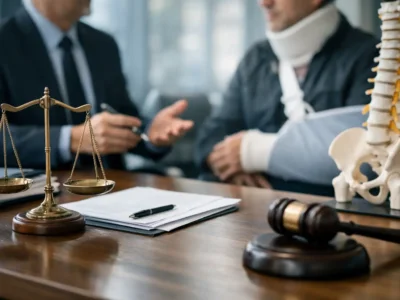
During a case review, the conversation usually begins with the event itself. Was it a collision, a dangerous property condition, medical negligence, a defective product, or another preventable act? The details matter: where it happened, who was involved, what was said afterward, whether a report was made, and whether photographs, video, witnesses, or physical evidence exist.
The next question is medical harm. Some injuries are immediately catastrophic. Others become clear only after symptoms worsen, treatment fails, or a specialist identifies a condition that should have been caught earlier. A lawyer will want to understand the diagnosis, treatment plan, prior medical history, time away from work, and the ways the injury has changed daily life.
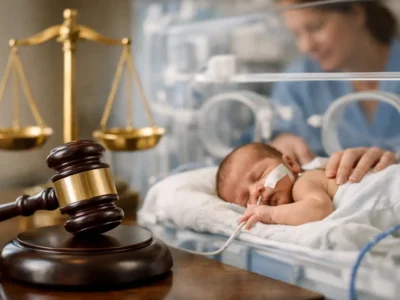
Finally, the review addresses damages. Medical expenses are only part of the picture. A strong claim may also account for future care, lost wages, reduced earning ability, pain, disability, and the effect the injury has had on a spouse or family. In a wrongful death case, surviving relatives may have distinct losses that deserve careful evaluation.
What to Bring to the First Conversation
You do not need a perfectly organized file before asking for help. Many people reach out while they are still in treatment, and that is often the right time to start the conversation. Bring or share what you have, and be honest about what you do not yet know.
Useful materials include the crash report or incident report, photographs of the scene and injuries, insurance correspondence, medical records and bills, names of witnesses, and communications with the other party. If the injury involves medical care, records from before and after the suspected error can be especially important. Keep copies of prescriptions, discharge instructions, work restrictions, and receipts for injury-related expenses.
Do not delay a review because a report contains mistakes or because you think you may have said the wrong thing to an insurer. Those facts need to be addressed, but they do not automatically end a claim. An experienced litigation lawyer looks at the full record, not one sentence in a report.
The Questions That Decide Whether a Claim Can Move Forward
Not every injury creates a viable lawsuit. A free review should be candid about that. A painful outcome alone does not establish negligence, and a person can be harmed even when no one is legally at fault.
The core issues are usually duty, breach, causation, and damages. Did another person, business, driver, or medical provider have a legal duty to act with reasonable care? Did they fail to meet that duty? Did that failure cause the injury? Can the losses be proved with credible evidence?
Timing also matters. New Mexico law imposes deadlines for filing injury claims, and some claims may involve shorter notice requirements or complicated rules. Waiting can make an otherwise valid case harder to prove. Surveillance footage may be overwritten, vehicles may be repaired or destroyed, witnesses may become unavailable, and memories fade.
There may also be disputes over fault. Insurance companies often argue that an injured person contributed to the accident, delayed treatment, had a preexisting condition, or does not need the recommended care. Those arguments do not necessarily defeat a claim. They do mean the case requires disciplined investigation and a strategy built for conflict, not a quick settlement conversation.
Why Trial Experience Matters Before a Lawsuit Is Filed
Most injury cases do not begin in a courtroom. But the possibility of trial shapes every important decision from the first weeks of a claim. Insurers evaluate risk. They pay closer attention when the evidence is prepared carefully and the attorney on the other side has the experience to take a case all the way through trial and appeal if necessary.
That does not mean every case should be tried. Settlement can be the right outcome when it fairly accounts for the harm and avoids unnecessary delay. But a settlement offer should be evaluated against the evidence, the future medical outlook, the available insurance coverage, and the real risks of litigation. It should not be accepted simply because an adjuster says it is the best offer available.
At Bowles Law Firm, injury cases are approached with the same courtroom readiness that has guided more than 88 trials and over 40 appeals in federal, state, and military courts. That preparation starts early. It may include preserving evidence, identifying witnesses, reviewing medical records, consulting qualified experts, and calculating losses that will continue long after the immediate crisis passes.
Be Careful With Insurance Company Requests
After an accident or injury, an insurer may contact you quickly and sound helpful. Remember that the insurer’s goal is to protect its financial interests. A recorded statement, broad medical authorization, or early settlement may give the company information it can use to limit payment later.
You can report an accident and pursue needed medical treatment without giving a detailed recorded statement or signing documents you do not understand. Do not exaggerate, but do not minimize what you are experiencing either. Tell medical providers about every symptom, follow treatment advice when possible, and document changes in your condition.
Social media can also become an issue. Posts, photos, comments, and location information may be reviewed and taken out of context. A single image rarely tells the complete story of an injury, but it can create an avoidable dispute. When a claim is pending, use restraint.
What Happens After the Review
If the attorney believes the claim is a good fit, the next step is usually a representation agreement and an immediate plan to protect the evidence. In many personal injury matters, fees are handled on a contingency basis, meaning the attorney fee is tied to a recovery. The specific terms, costs, and responsibilities should be explained clearly before representation begins.
If more information is needed, the lawyer may ask for additional records, photographs, or a timeline. That is not bad news. High-stakes cases should not be accepted or rejected based on assumptions. A careful review is part of protecting the client.
And if the facts do not support a lawsuit, a direct answer is still valuable. It allows you to make informed decisions without wasting time or relying on false promises.
Request a Free Case Review Before Evidence Fades
The first consultation is your opportunity to ask hard questions. Ask who will handle the case, how often you will receive updates, what evidence is missing, what defenses to expect, and whether the attorney is prepared to litigate if the other side refuses to be fair. You deserve clear answers.
If an accident, medical error, or another person’s negligence has left you or your family facing serious harm, do not let an insurance company define the value of your case before the facts are tested. Request a free case review promptly, preserve what you can, and give your claim the informed, trial-ready assessment it deserves.